Your Personal Arcade: Why Playing Solo Can Be a Perfect Escape
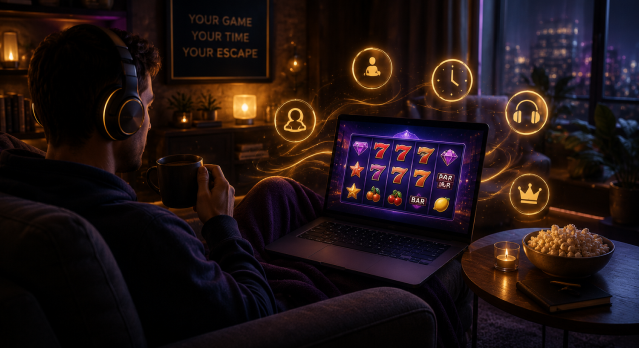
Some games are for action. Others are for quiet.
Solo play often belongs to that quieter mood. Sometimes it starts with almost nothing: a spare five minutes, a familiar game, your attention landing on the screen instead of the day around you. The messages are still there. The noise is still there. But for a moment, there is one simple thing to follow.
A personal arcade does not need a big entrance. You drop in when the mood hits, stay with the rhythm for as long as it feels good and leave when your head feels a little less crowded. A clear screen, a few minutes, a game that moves at your pace — sometimes that is all the escape needs to be.
A Game That Waits for You
A lot of entertainment asks for timing. Someone has to be free, the group has to agree, plans have to line up. Solo play is simpler. The game is there when you feel like opening it.
That ease is part of the comfort. You can return to a familiar game, check the rules, choose a stake and start without turning the moment into an arrangement. The session begins because you want it to begin.
The pace belongs to you as well. You can read the paytable, try a different game, pause after a few rounds or stop early. Some days call for quick decisions. Others call for a slower rhythm. Solo gaming leaves room for both.
That is what makes it so easy to return to. The game follows your timing instead of pulling you into someone else’s.
A Small Reset in the Middle of the Day
A useful break can be tiny. Coffee still warm, one song in headphones, a quick puzzle, a bit of air outside — people already slip these little pauses into the day. A solo game can work the same way: a few minutes where your attention has somewhere else to go.
Online games fit that kind of break well. You can enter a familiar screen, understand what is happening and settle into the flow without a long setup. That matters when the session sits between work, messages, errands or the end of a long evening.
The best solo games respect that time. They give you enough information to feel clear, then let the session move. A good personal arcade should feel easy to enter, easy to read and easy to leave.
Mobile play has made that feeling even more natural. Your arcade does not need a separate room, a long plan or a full evening. It can live inside a small pocket of time and still feel complete.
The Comfort of Playing Without an Audience
Playing alone changes the mood of the session. The result stays private. A lucky hit, a strange choice, a bad round, a favorite pattern — it all stays between you and the screen.
That privacy can make the experience lighter. In social games, even relaxed ones, you may become aware of how quickly you decide, how well you play or how others react. Some people enjoy that energy. At other times, it becomes extra noise.
Solo play gives you more room to follow instinct. You can choose something bright because the mood calls for it, return to a familiar format because it feels comfortable or try a new game without turning the choice into a conversation.
The value is not only in winning or progressing. Sometimes the pleasure comes from having a moment that belongs fully to you.
The Pleasure of a Clear Loop
A good solo game often has a clean rhythm.
Read the screen. Make a choice. Watch the result. Adjust. Continue or stop.
That loop gives your mind something direct to hold onto. It creates focus without asking for too much energy. You know where to look, what changed and what the next move could be. Even a fast session can feel complete when the feedback is immediate.
Visual design plays a big role here. Before you think about the rules in detail, the game has already set a mood through color, symbols, sound and movement. A theme can be playful, dramatic, strange or calm, but the result still needs to be easy to read.
Strong solo play usually depends on a few simple things:
- quick access without a long setup;
- rules that make sense from the start;
- readable screens and clear results;
- smooth pace between rounds;
- easy access to bet history or game information;
- enough atmosphere to change the mood;
- simple controls that do not interrupt the flow.
When these pieces work together, the game becomes easy to sink into. You are not fighting the interface. You have something clear to follow.
Why Design Shapes the Whole Mood
In group play, people bring part of the entertainment themselves. They talk, react, joke, compete and fill the quiet parts. When you play solo, the game has to carry more of the atmosphere on its own.
Small design choices start to matter quickly. A confusing rule, a slow screen or a result that takes too much effort to understand can pull you out of the moment. You came for a clean break, not a small investigation.
Good solo design keeps you close to the action. The basics need to feel natural:
- the next step is easy to understand;
- the result is clear after each move;
- balance changes are easy to follow;
- paytables and game details are available when needed;
- bonus features, multipliers and round history are easy to find;
- the screen gives enough information without crowding the session.
This matters across many types of digital casino games. Small details shape the whole session: how a feature appears, how quickly the balance updates, how easily you can check what happened in the last round. When those parts feel clear, you can stay with the rhythm of the game instead of sorting through confusion.
A personal arcade should feel like a room with the lights already on. You can look around, understand the space and start playing without asking too many questions.
Keeping the Escape Comfortable
Solo play feels best when you stay in control of the session. That control includes time, budget and attention.
The best solo sessions usually have a loose shape. You may open the game for a few rounds before going back to work, for a short reset between tasks or for a longer evening session when the day is already done.
That shape is easier to keep when your account shows what is happening clearly. Session reminders, deposit limits and activity history give you a quick reality check without dragging the mood down. The game stays in the place it should occupy: a break, a bit of focus, a piece of entertainment you still feel in charge of.
A good escape should leave you feeling lighter. Clear limits can make that easier.
A Private Space That Still Feels Alive
Playing solo does not have to feel empty. At its best, it feels personal.
You choose the game, the pace, the mood and the moment. Maybe you want a little excitement. Maybe you want something familiar. Maybe you only want a few minutes away from the noise around you. The session can stay small and still do its job.
In a world full of constant messages, shared screens and group everything, a private game session has its own charm. You can step in without turning the moment into a social plan, follow the game for a while and leave when the break feels complete.
A personal arcade does not need to be loud or complicated. Sometimes it is enough to offer a few minutes of focus, color and escape.